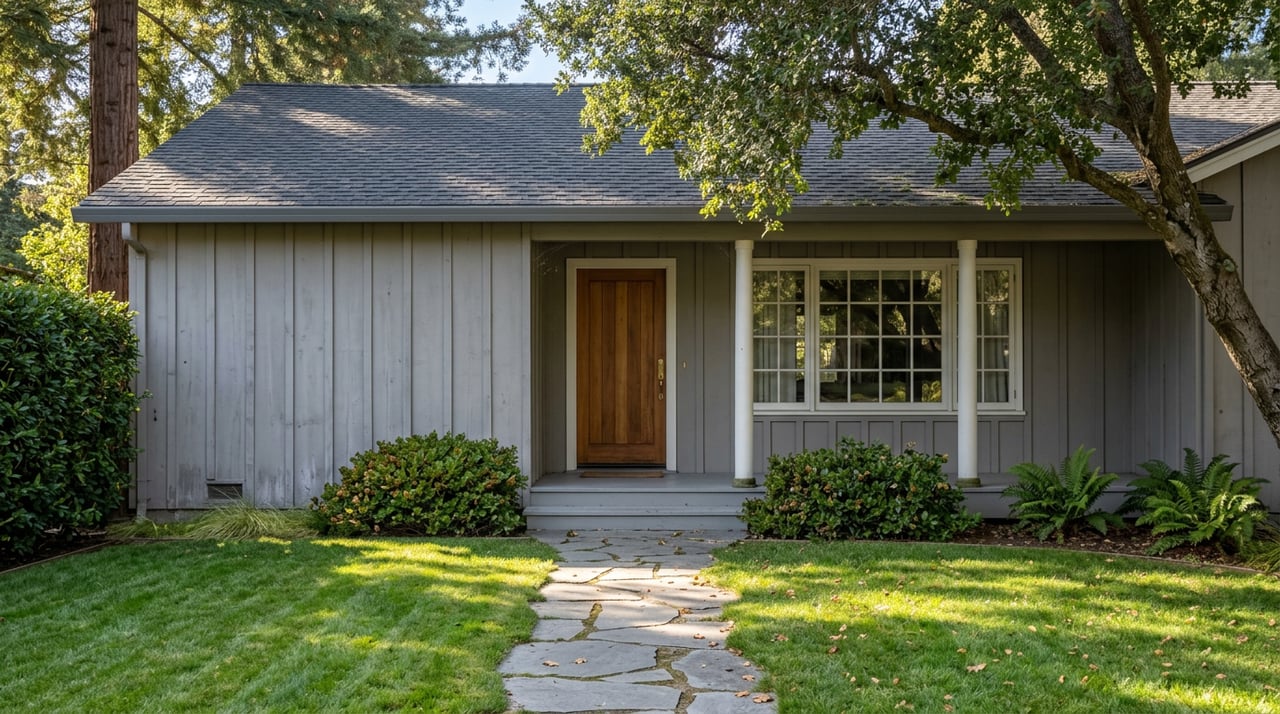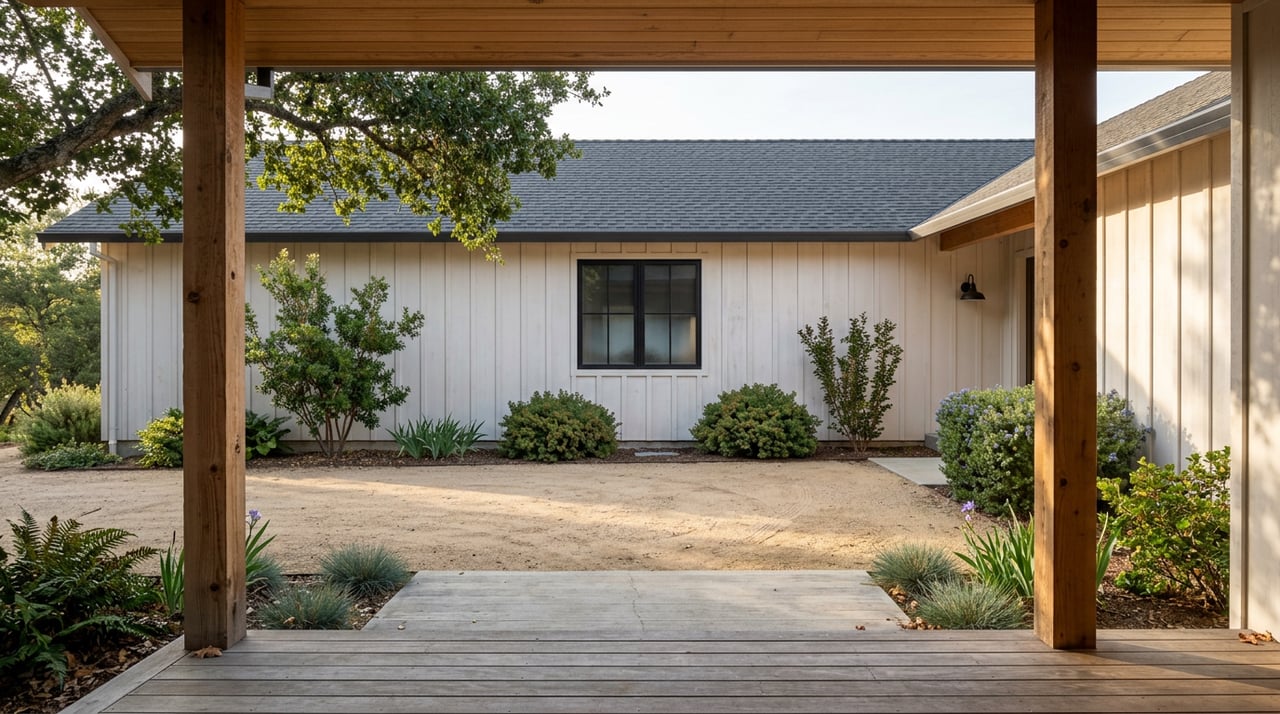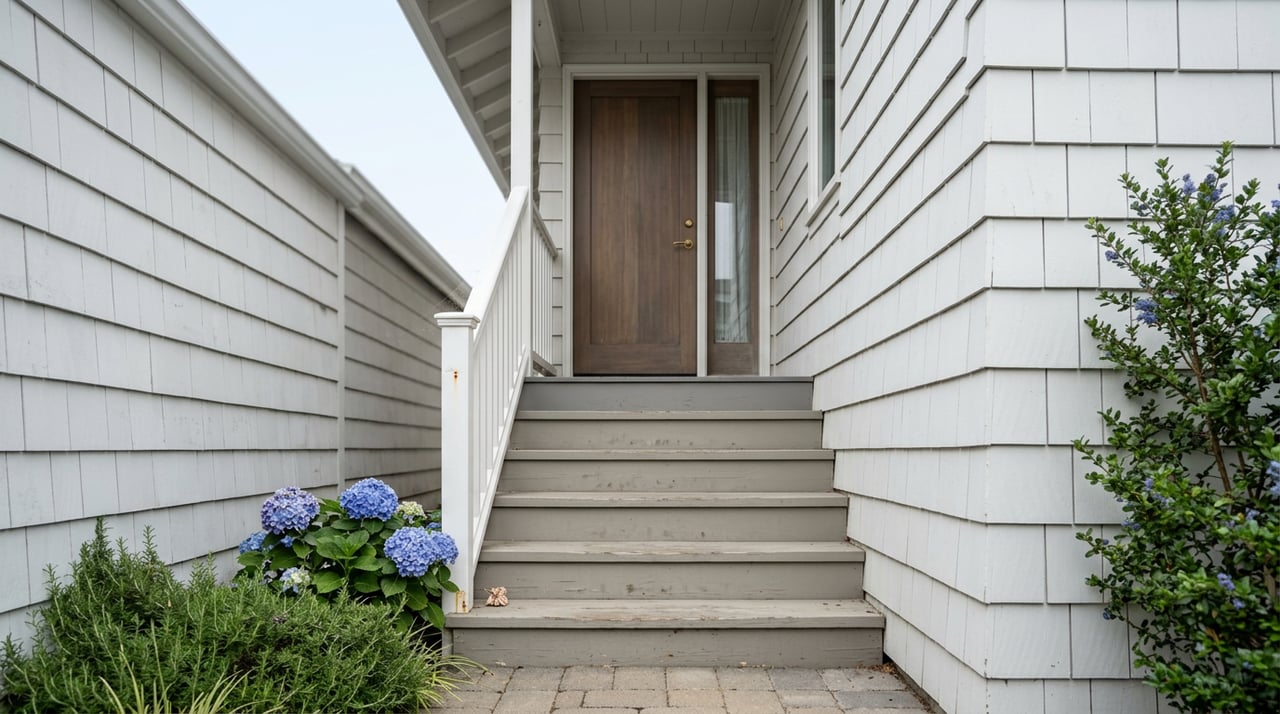
A buyer called me last spring with two listings pulled up side by side. Same price range, same walk to the beach, same 1940s bungalow bones. One, she'd been told, could run as a nightly rental and cash flow like a small hotel room. The other could not, not legally, not ever, no matter what the listing photos implied. The houses were four blocks apart. The difference wasn't the roof, the kitchen, or the lot. It was a line on a city map that neither listing mentioned.
That line is Capitola's Vacation Rental Use overlay district, and if you're buying with any intention of running a short-term rental, it is the single most important fact about the property, more important than square footage, more important than the asking price.
The Boundary Nobody Puts in the Listing
Capitola has one zone where whole-home vacation rentals are legal: the VRU overlay. The city defines it plainly. It covers Capitola Village and extends along Riverview Avenue as far north as city hall, as far west as Cliff Drive, as far east as Monterey Avenue, and as far south as Capitola Beach. Inside that boundary, a home can apply for a vacation rental permit. Outside it, the property can only be leased for 30 nights or longer, permanently, regardless of how the seller or a listing agent frames its rental potential.
This isn't a soft preference the city enforces loosely. It's a zoning line, and it means two houses that look identical from the sidewalk can carry entirely different investment cases depending on which side of Monterey Avenue or Cliff Drive they sit on. Before you fall for a listing's mention of "strong rental income potential," pull up the city's VRU map and check the parcel yourself. A verbal assurance from a seller isn't the same as a permit application that will actually get approved.
What Legal Actually Requires, Once You're Inside the Line
Being inside the VRU boundary gets you eligibility, not automatic approval. The city requires a Vacation Rental Permit application submitted alongside a business license application, and both get circulated through planning staff for zoning and parking review before anything is approved.
A few requirements catch new owners off guard. Every vacation rental unit needs one on-site parking space, or a space in the city's Beach and Village Parking Lot 1 or 2 with proof of permit. Advertising is restricted too: only one sign is allowed per structure, and it can't exceed 12 inches by 12 inches. If the unit is listed online, the permit number has to appear in the first line of the posting, a small detail that's easy to miss on a first listing and that code enforcement checks for.
Permits also come with an expiration date on the relationship, not just the paperwork. Under the city's municipal code, no permit holder has a vested right to renewal, and a revoked permit locks the owner out of reapplying for a full year. The business license portion renews annually, and it has to stay current for the vacation rental registration to remain valid.
The Tax Line Your Pro Forma Needs to Carry
Every night booked in a Capitola vacation rental carries a 12 percent transient occupancy tax, calculated on the total rent charged, which includes the room rate, cleaning fees, and any other charges tied directly to the stay. Voters raised this rate from 10 percent through Measure J in November 2018, and it took effect at the start of 2019. For comparison, Santa Cruz and Scotts Valley both sit at 11 percent, according to reporting from Lookout Santa Cruz on a related county tax measure. That one-point gap is small on paper but adds up fast on a property renting at Capitola's summer rates.
Filing isn't a once-a-year formality either. Returns are due monthly, by the 10th of the month for the prior month's activity, and they're required even in months when the unit sat empty. Guests who book for 31 consecutive nights or longer are exempt from the tax, which is one reason some owners blend short stays with occasional longer bookings rather than running the calendar wall to wall.
How the City Actually Finds Out
Capitola doesn't rely on random spot checks. The city has been cross-referencing online hosting platforms against its inventory of permitted vacation rentals since June 2015, and enforcement in practice tends to start with a neighbor complaint. The city won't disclose who filed a complaint, but it also won't act on an anonymous one, so most enforcement actions begin with a named, verified report. Once a complaint is confirmed, the operator gets a notice, and continued operation outside the VRU zone or without a valid permit can bring daily fines. This isn't a market where an unpermitted listing quietly runs for years. It's one where a single upset neighbor can trigger the process within weeks.
Why Capitola's Rule Is the Exception, Not the Norm
Zoom out to the rest of the county and Capitola's approach starts to look unusually clear. Most nearby jurisdictions regulate short-term rentals through caps and waitlists rather than a mapped boundary, and the differences matter if you're comparing Capitola to a property a few miles away.
| Jurisdiction | Whole-home short-term rental allowed? | How access is limited |
|---|---|---|
| Capitola (VRU zone) | Yes, inside the mapped boundary | Location only, no numeric cap within the zone |
| Santa Cruz (city) | Hosted only, owner must reside on-site 6 months plus a day | Capped at 60 hosted permits |
| Scotts Valley | No vacation rental permit path exists | Not offered |
| Unincorporated county, Seacliff/Aptos/La Selva area | Yes, subject to caps | Capped at 15% of parcels, 20% per block |
A whole-home, non-owner-occupied vacation rental in Santa Cruz proper isn't an option for a new buyer at all right now, since the city has stopped issuing that permit type and only grandfathers in existing ones. Scotts Valley doesn't offer the permit category. The unincorporated stretch covering Seacliff, Aptos, and La Selva Beach caps non-hosted permits at 15 percent of total parcels and 20 percent per block, a structure documented in county code, which means availability depends on how many of your specific block's neighbors already hold one.
Against that backdrop, Capitola's rule is comparatively simple to underwrite. You're either inside the mapped zone or you aren't. There's no percentage-of-block math to run, no waitlist to join and wait out. That legibility has value of its own, but only if a buyer checks it before making an offer rather than after closing.
The regional trend is tightening, not loosening. In August 2025, the Santa Cruz County Board of Supervisors adopted an updated short-term rental ordinance for unincorporated areas, adding new permit caps and stronger enforcement tools, a change still awaiting California Coastal Commission certification for its coastal zone provisions. Supervisor Manu Koenig, speaking to Santa Cruz Local ahead of the vote, described the frustration of losing a home to a buyer who converts it to a vacation rental within months of closing, and framed the new rules as an attempt to slow that pattern. Whatever happens next in the unincorporated county, it doesn't touch Capitola's own ordinance. The city sets its own rules, and right now those rules are the boundary, not a cap.
What to Check Before You Write the Offer
If a vacation rental is part of your plan for a Capitola purchase, a few steps belong in your due diligence before the inspection contingency, not after:
- Confirm the parcel sits inside the VRU boundary using the city's map, not a seller's verbal description
- Ask whether an existing vacation rental permit is currently active on the property and whether it would need to be reapplied for under your ownership
- Confirm on-site parking meets the one-space-per-unit requirement, or budget for a Village lot space
- Build the 12 percent TOT and monthly filing obligation into your operating projections from day one
- Factor in that a permit carries no guaranteed renewal, which matters for how you model resale value to the next investor
A Short FAQ
Does a Capitola vacation rental permit transfer to a new owner when the property sells? The permit is tied to the operator and the property's compliance history, not to the seller personally, but a change in ownership means reapplying and going through the same review process again. Buyers shouldn't assume an active permit guarantees a smooth handoff.
What happens if I buy a home just outside the VRU boundary hoping the city will expand the zone? The current boundary is what governs the property today. Planning for a future zoning change is speculative, and a purchase decision should be based on the rules in effect now, confirmed directly with the city's Community Development Department.
Is Capitola's 12 percent tax rate the highest in the county? It ties with Watsonville, and it's a point higher than Santa Cruz and Scotts Valley's 11 percent rate. It's worth building into any comparison of net rental income across neighboring markets.
If you're weighing a Capitola purchase against options elsewhere in the county, or trying to figure out whether a specific parcel actually sits inside that VRU line, I've spent years walking clients through exactly this kind of diligence, informed by my own experience buying, rehabbing, and holding investment property in this market. Stacey Mitchell would be glad to help you check the map before you check the box on an offer. Let's Connect.